Architecture should be experienced as you move through it. That is what I look for through the camera. The approach from the street, the entry, the corridor opening into the main space, the light shifting across a facade from morning to dusk.
A photograph holds one moment of a building. Film holds its sequence. The approach from the street, the entry, the corridor opening into the main space, the light shifting across a facade from morning to dusk.
Architecture is experienced in motion, and some of what makes a building good only appears when you move through it. That is what I look for with a camera that records time as well as light.
Heartland Whole Health Institute in Bentonville, Arkansas, sets a long timber-screened building and fieldstone walls into the woods, with a glass room that cantilevers out toward the trees. The film moves from the air down to the terraces and the curved lawn, following how the building opens to the landscape around it.
I shoot photography and video in a single natural-light workflow, often on the same visit. The same patience applies to both: waiting for the right light rather than forcing it, keeping the compositions honest, letting the building set the pace.
For clients this means one shoot, one consistent visual language, and a set of deliverables that work together instead of feeling like two different vendors visited the site.


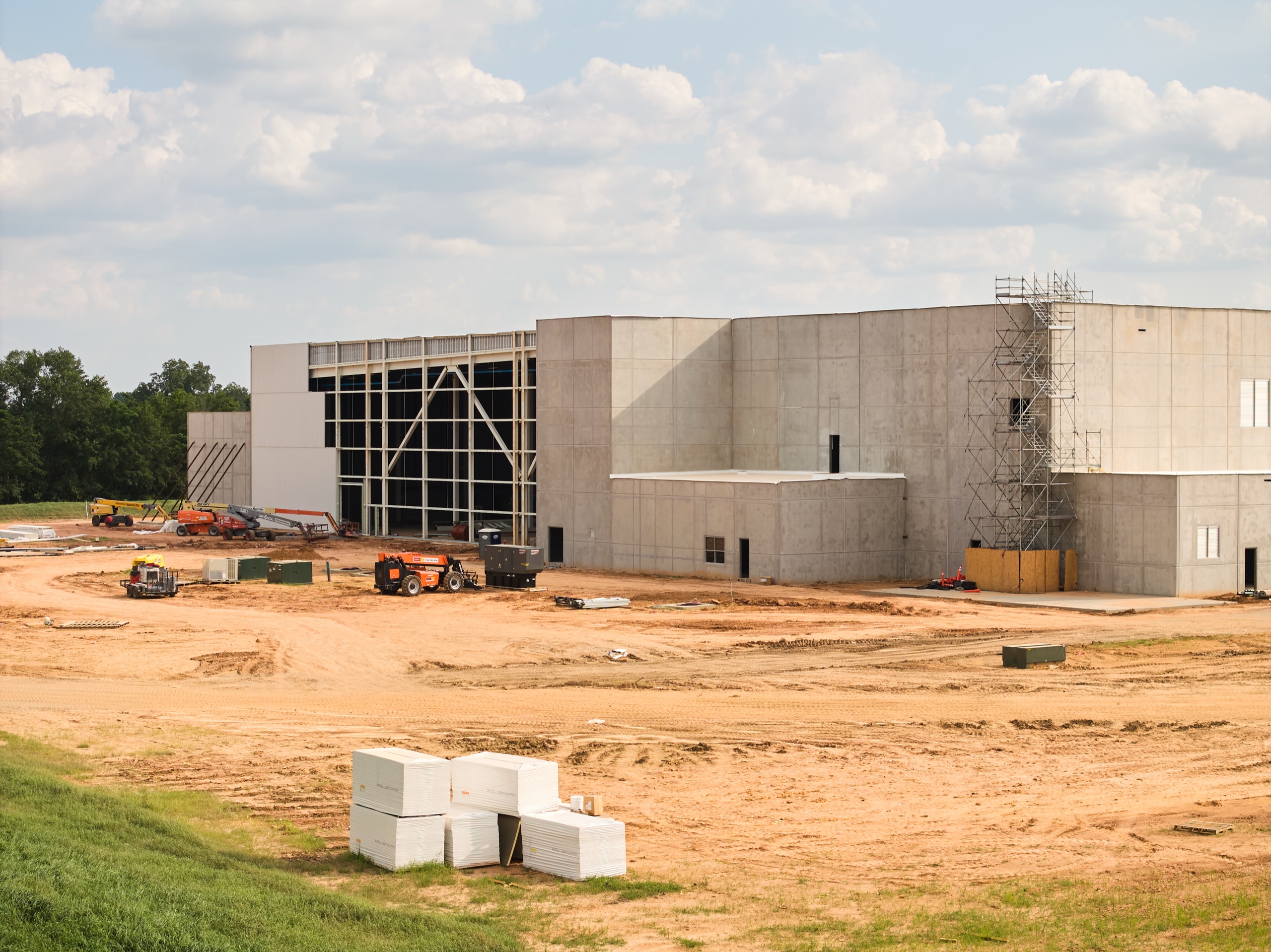
Documenting a shooting photo and video from start to finish of a project shows more than a final product. It shows the full capability of your team and the infrastructure and processes in place to handle every detail with focus and follow through.