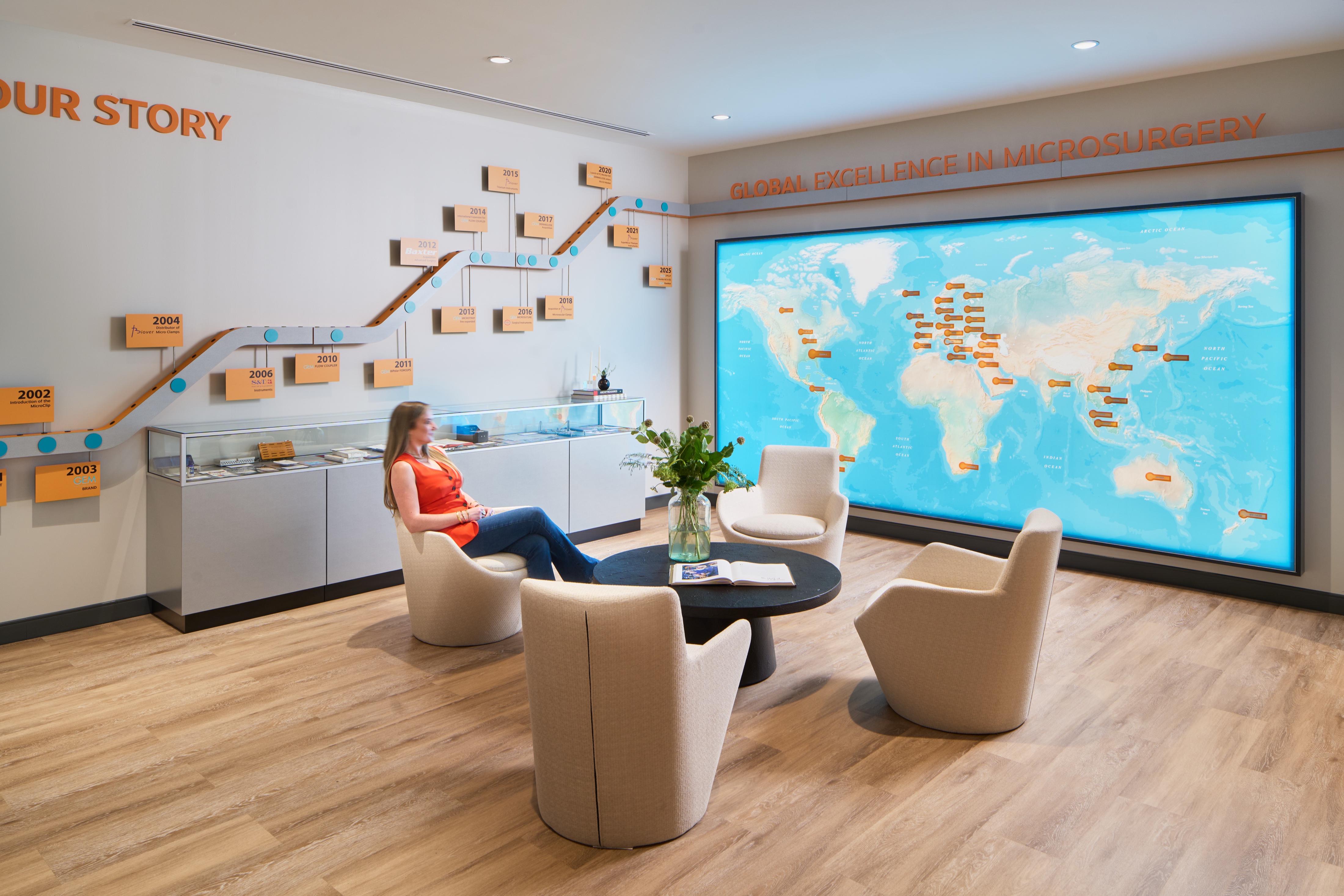
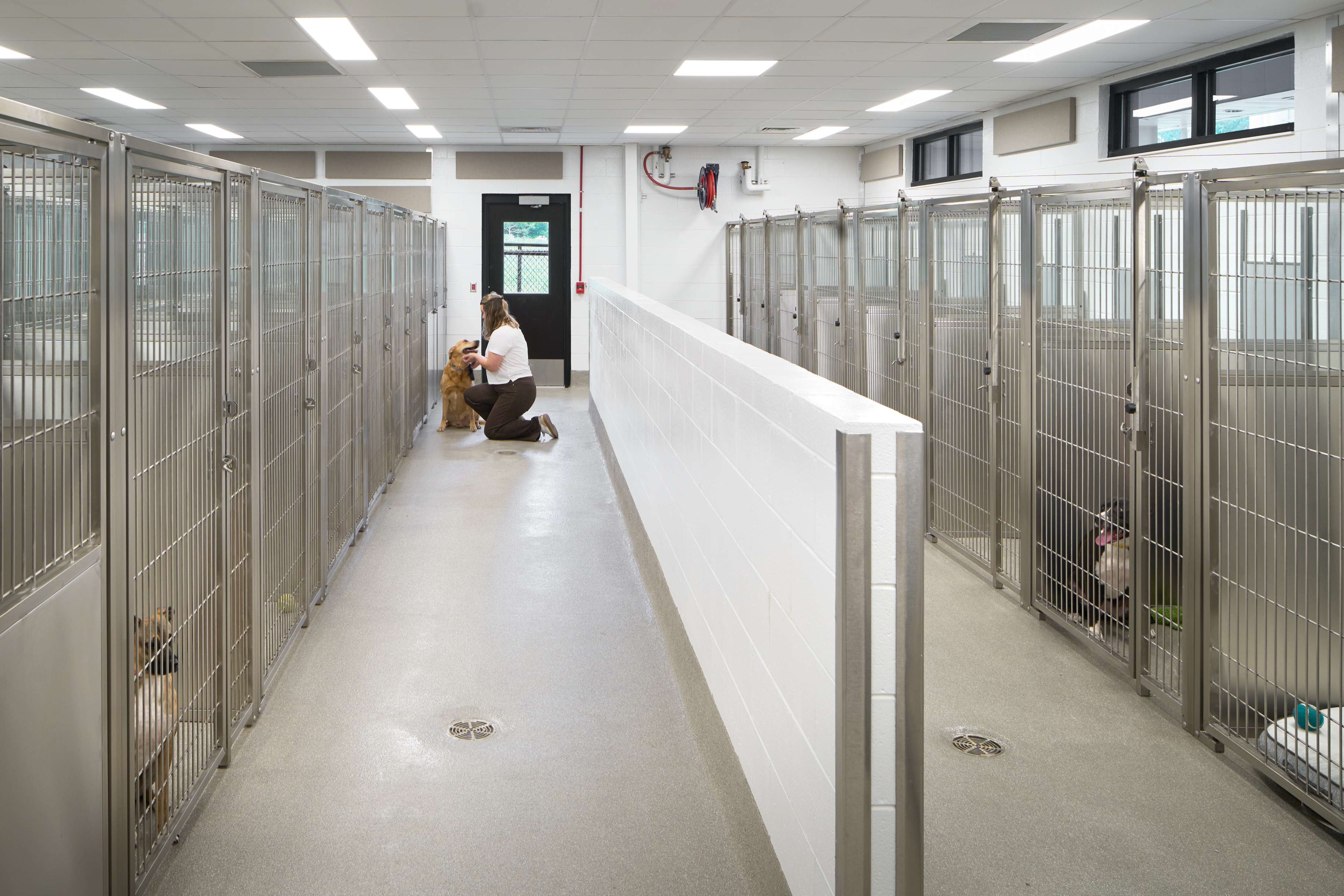
A still frame holds a building. A moving one walks you through it. Both matter, and they are not the same craft.
Most of my work is still photography, and it always will be. But more of the projects I take on now ask for video alongside the stills, and the request makes sense. A building is experienced in motion. You approach it, you move through it, light shifts as you go. Architectural videography is the discipline of capturing that experience, and it belongs in how serious work gets documented.
I run photography and video as parallel workflows from a single scout. That matters more than it sounds. It means the video isn't an afterthought bolted onto a photo day. It's planned from the same understanding of the building, shot with the same natural-light philosophy, and delivered as a considered piece rather than a montage of clips.
A still photograph is a decision about a single moment: the best light, the cleanest composition, the truest angle. That decision is the whole point of architectural photography, and nothing replaces it. But there are things a building does that only motion can show.
Sequence and approach. Architecture is choreographed. You arrive, you pass through a threshold, a compressed entry opens into a tall room. A walkthrough preserves that intended order. A still can only imply it.
Light over time. A space that changes character from morning to dusk is one of the most convincing things about good design. Video can hold that change in a way a single frame can't.
Scale and connection. Motion shows how rooms relate, how a stair lands, how an interior opens to a courtyard. It gives a viewer the spatial logic of a place, not just its surfaces.
Architectural video earns its keep for the same people my photography does, architects, builders, and design firms, but it does a different job. It's built for the places a still set struggles to live: a website hero, a social reel, a project submission, or a pitch where you need a client to feel the space before they ever visit. For a hospitality or commercial project especially, a short, well-made film is often what gets shared.
It's also patient work. The same restraint that defines my photography applies here. I'm not after fast cuts and drone spectacle for its own sake. I aim for honest motion that lets the architecture lead, the same calm, natural-light approach, simply extended into time.
Every project starts with the same question I ask before any shoot: what are these for? A film for a website behaves differently from a clip for social or a sequence for an awards submission, and that end use shapes how I shoot. From there it's the same disciplined process. Scout the light, plan the moves that matter, work at the pace of a craftsperson.
Because photography and video share the scout and the schedule, a single visit can deliver both. For a client, that means one coordinated shoot instead of two, and a still set and a film that actually feel like they came from the same building.
Stills and motion answer different questions. The photograph asks what a building is. The film asks what it's like to move through. For a project worth documenting well, especially across the Southeast's growing residential, commercial, and hospitality work, it's worth considering both from the start.
If you have a project where motion would tell part of the story, reach out on the contact page. I would love to work with you.
If you are finishing a new build, opening a venue, or documenting a space that matters to the city, timing and approach make a difference. I work with architects, builders, and developers who want their projects photographed clearly and honestly.