A look at the bungalows, postwar ranches, and downtown civic projects that shape one of Florida's most varied built environments.
Orlando is best known for what was built on its outskirts after 1971, but the city itself has a longer architectural memory. Before Walt Disney Productions reshaped the southwest corner of the metro, Orlando was a citrus-belt city built on a string of lakes. A downtown core anchored around Lake Eola. Residential pockets like College Park and Thornton Park that grew up in the 1920s. The sprawling postwar neighborhoods that filled the gaps as Central Florida became a destination.
The result is a city that looks unlike most other Southeast metros. It is flatter, sunnier, more recently developed in most quarters, and far more sprawling. Photographing Orlando well means thinking about its layers, not just its skyline.
College Park, established in the early 1920s on the city's north side, is the clearest reminder that Orlando had a craftsman period. Tree-lined Edgewater Drive and the side streets running off it hold dense rows of bungalows and Mediterranean Revival cottages from the 1920s and 1930s. Many have been carefully renovated. Some still wear their original detailing. Architecturally, these blocks are quieter than the iconic Coral Gables or St. Augustine streets further south, but they reward the photographer who pays attention to porches, casement windows, and the way light moves through deep eaves in Florida.
Thornton Park, just east of Lake Eola, holds a similar concentration of historic homes mixed with mid-century infill. It is one of the few Orlando neighborhoods where the historic and contemporary regularly share a block, and the contrast photographs well.
Most of Orlando is, in plan view, a postwar metro. Subdivisions filled in through the 1950s, 60s, and 70s as Central Florida's economy expanded. Many of these neighborhoods are now in their second or third architectural lives. The ranch homes that defined the era have proved adaptable. Wide footprints, low rooflines, and generous overhangs give them more flexibility than the original plans ever assumed, and the contemporary renovation market has built itself around them.
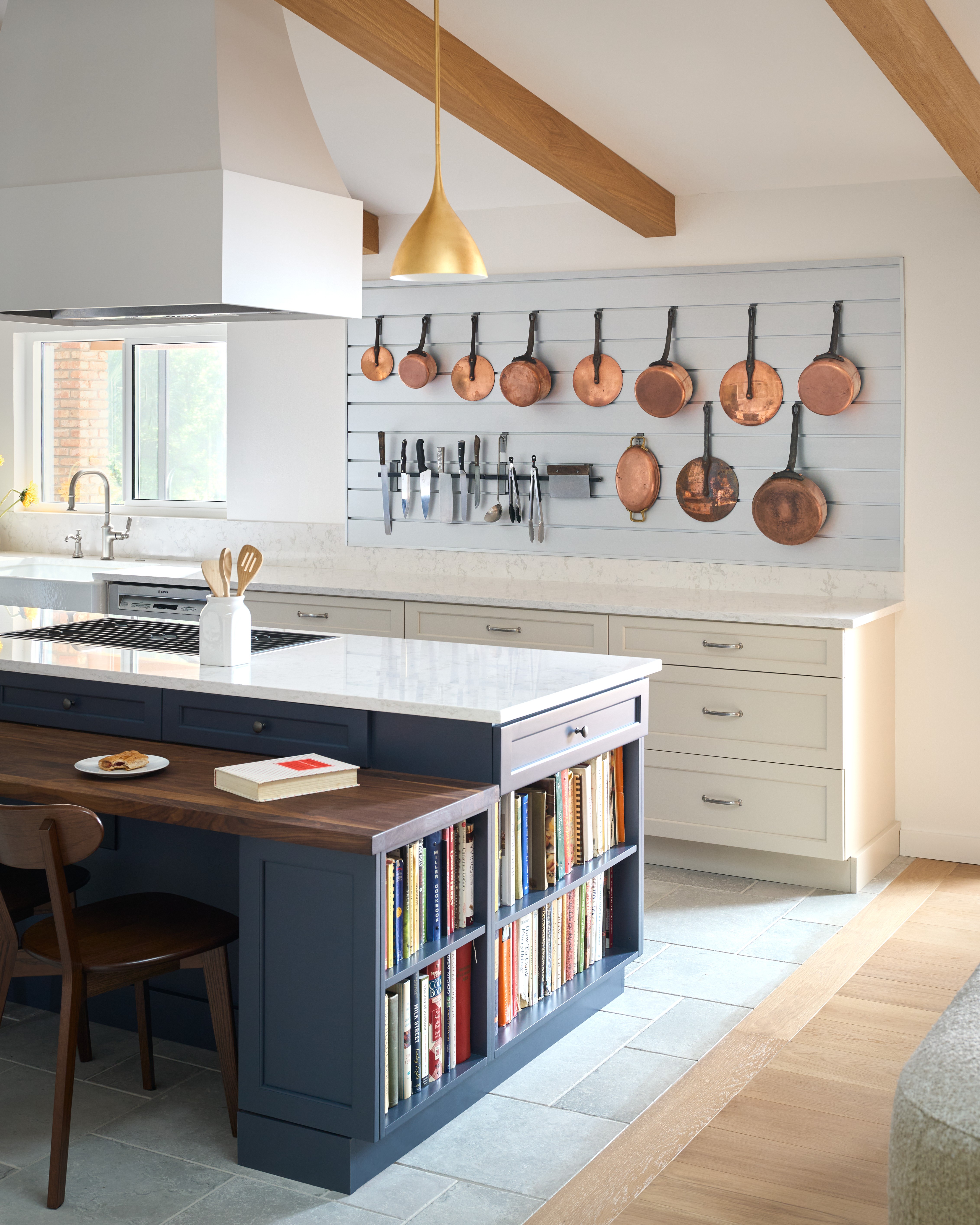
The Central Florida Renovation, completed in Winter 2026 by SWRL Studio with Groninger Custom Homes and Eagle Custom Installations, is one example of this thread. The original 1970s plan was compartmented, dim, and cut up. The renovation widened openings, raised ceiling lines without altering the original roof structure, and brought in natural light through new skylights. Walnut built-ins and aging-in-place features stitched the new and the old together. This kind of work is becoming a major strand of Orlando residential architecture, and photographing it well means understanding what the original house was and what the renovation has changed.
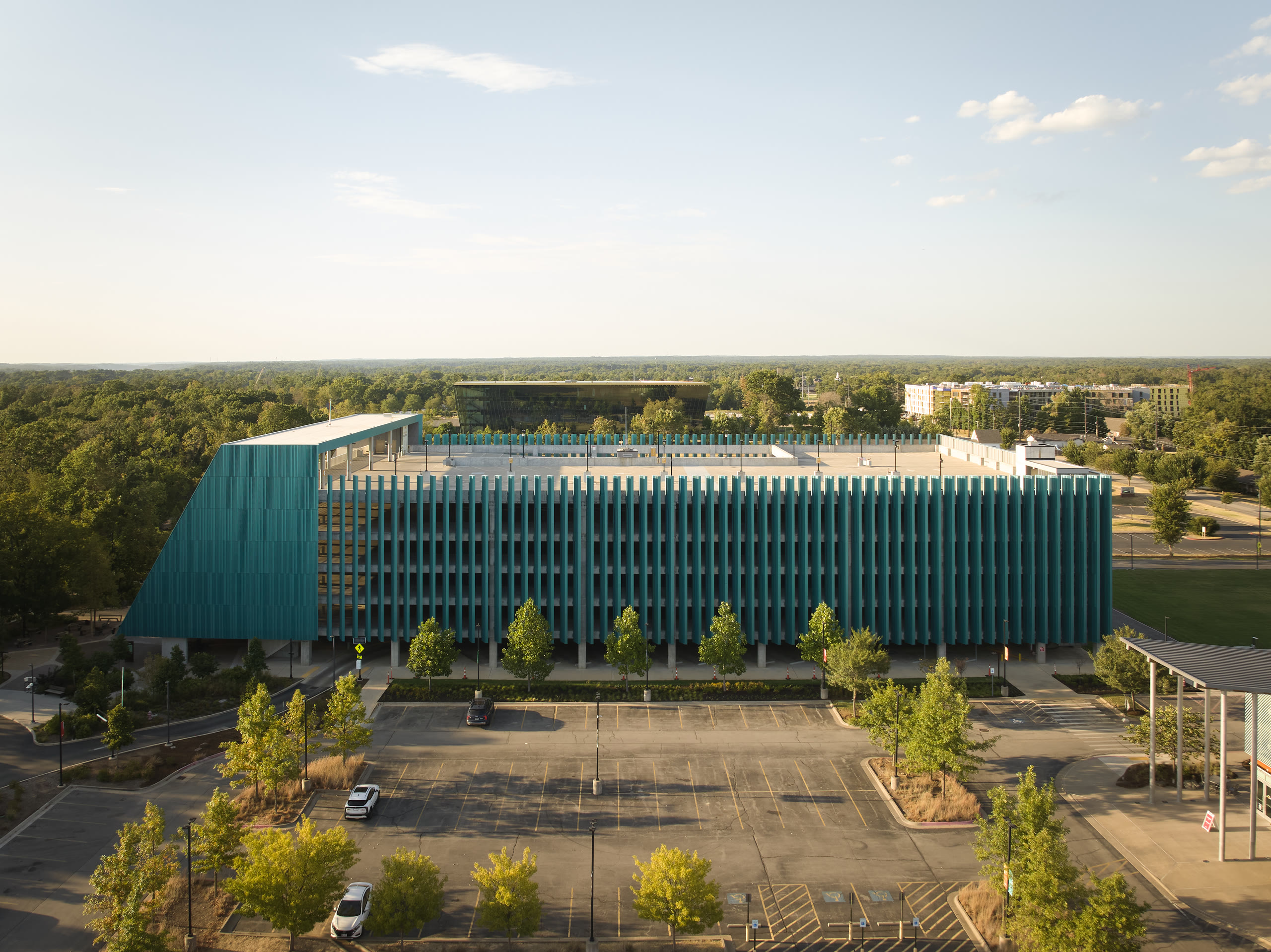
Downtown Orlando is dense in pockets and thin in others. Around Lake Eola, the skyline reads as a contemporary glass-and-steel city. Walk a few blocks east or south and the scale drops to two and three stories quickly. The Dr. Phillips Center for the Performing Arts, designed by Barton Myers Associates with HKS Architects and opened in stages between 2014 and 2020, anchors the cultural side of downtown with a clean, generous civic gesture. The Amway Center, designed by Populous, anchors the sports side.
Photographing downtown means working across this scale shift in a single afternoon. The high contrast between a glass tower and a 1920s storefront across the street is a frequent feature, not a flaw.
Orlando's architecture is not one thing. The city's photographic story sits in the gaps between its eras: bungalow porches under noon sun, the geometry of a 1960s ranch reframed by skylights, the reflection of an older facade in a new tower's glass. Treating any one of those layers as the whole city flattens it. The work is in finding what makes each layer specific, and photographing it on its own terms.
The full set from that renovation is on the Central Florida Renovation project page.
I would love to work with you, reach out on the contact page.
If you are finishing a new build, opening a venue, or documenting a space that matters to the city, timing and approach make a difference. I work with architects, builders, and developers who want their projects photographed clearly and honestly.